
Tanja AJ Houweling, David Osrin, Kishwar Azad, Dharma S Manandhar, Prasanta Tripathy, Tambosi Phiri, Joanna Morrison and Anthony Costello
In low- and middle-income countries, the odds of surviving the first 28 days of life are grossly unequal between infants born in deprived and better-off families, even among children living in the same community. In our study, recently published in the IJE, we have shown that women’s groups are able to address this problem. Under the guidance of a facilitator, women came together every month to discuss problems during pregnancy, delivery and the newborn period, and then designed and implemented strategies to overcome these problems with the help of the entire community.
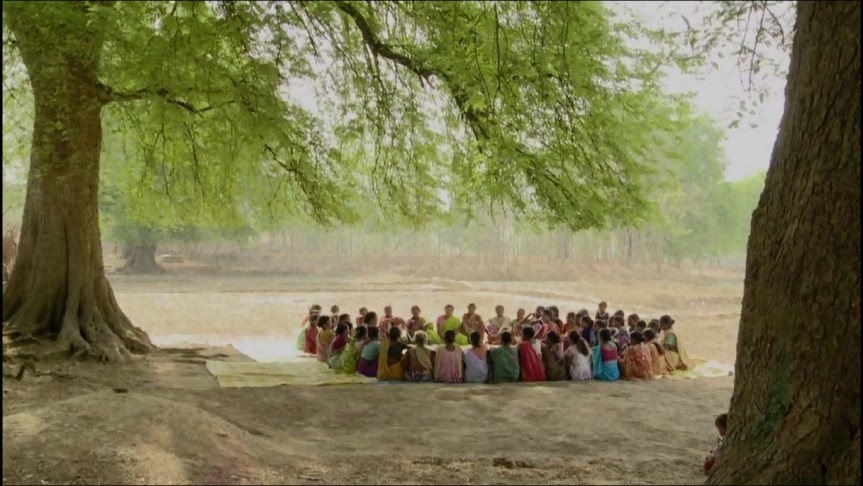
- Ekjut women’s group in rural India









 Jane E Ferrie
 Mika Ala-Korpela and George Davey Smith
 IJEblog